
The product B formed in the following reaction sequence is:

- A
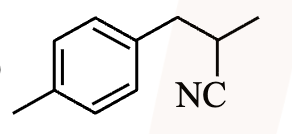
- B
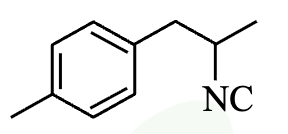
- C
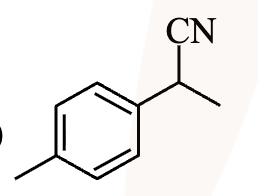
- D
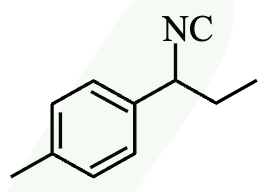
The product B formed in the following reaction sequence is:
Correct answer:C
Standard Method
Given: The product B is to be identified from the sequence involving HCl followed by AgCN.
Find: The correct option for product B.
The solution states that the correct option is C.
From the provided explanation:
Using the conclusion stated in the solution, the final answer is taken as option C.
Therefore, the correct option is C.
Source Discrepancy Note
The question image and the textual explanation on the solution do not fully match each other. The solution text discusses converting to benzamide and then to phenyl isocyanate, while the embedded option figure corresponds to structural organic products and the page explicitly marks C as the correct option.
Because the
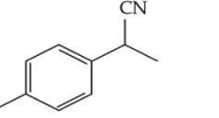
Assuming AgCN gives the same product pattern as KCN is incorrect. AgCN commonly favors formation through nitrogen-end participation, so the product type can differ from ordinary cyanide substitution. Always distinguish AgCN from ionic cyanide reagents.
Ignoring the reaction intermediate A leads to the wrong final product. First identify what HCl does to the starting compound, then apply the second reagent to that intermediate rather than to the original substrate.
Relying only on the textual reagent names without checking the option structures can cause confusion in structure-based questions. Match the mechanistic outcome carefully with the displayed structural options before choosing the answer.
Get unlimited AI-adaptive practice, mastery tracking, and an AI tutor that explains every step — free to start.